
About the Academy
The Academy of Women in Representational Art is an international arts organization dedicated to advancing mastery in representational art by women through thoughtfully conceived exhibitions, publications, educational programming, critical writing, and related cultural initiatives. The Academy provides a sustained, standards-driven framework for recognizing, presenting, studying, and connecting distinguished work across a broad range of media, subjects, artistic languages, and relationships to representational traditions.
The most readily available institutional reference points for representational art at the highest level remain disproportionately male, while women producing work at that level are often dispersed across institutional and professional networks that are fragmented or poorly connected. The Academy identifies, evaluates, and presents these achievements in sustained relation, making visible a connected field distinguished by breadth of media, subject, artistic language, and representational approach. Its focus changes the field of attention, not the meaning of mastery.
The Academy is committed to fostering rigorous, selective exhibitions and initiatives that contribute meaningfully to contemporary representational culture and critical discourse. In addition to supporting artists working at the highest levels and bringing greater visibility to overlooked excellence, the Academy aims to encourage a more complete understanding of the relationship between historical and contemporary representational art, including the ways contemporary practices exist in dialogue with broader artistic traditions.
The Academy is a nonprofit organization recognized by the Internal Revenue Service as tax-exempt under Section 501(c)(3) of the Internal Revenue Code.
Founders & Curator
The Academy of Women in Representational Art was founded by Kalina Kutriansky and Dimitrina Stamboldjiev Kutriansky as a long-term curatorial and cultural initiative dedicated to advancing exceptional women artists working within contemporary representational art.

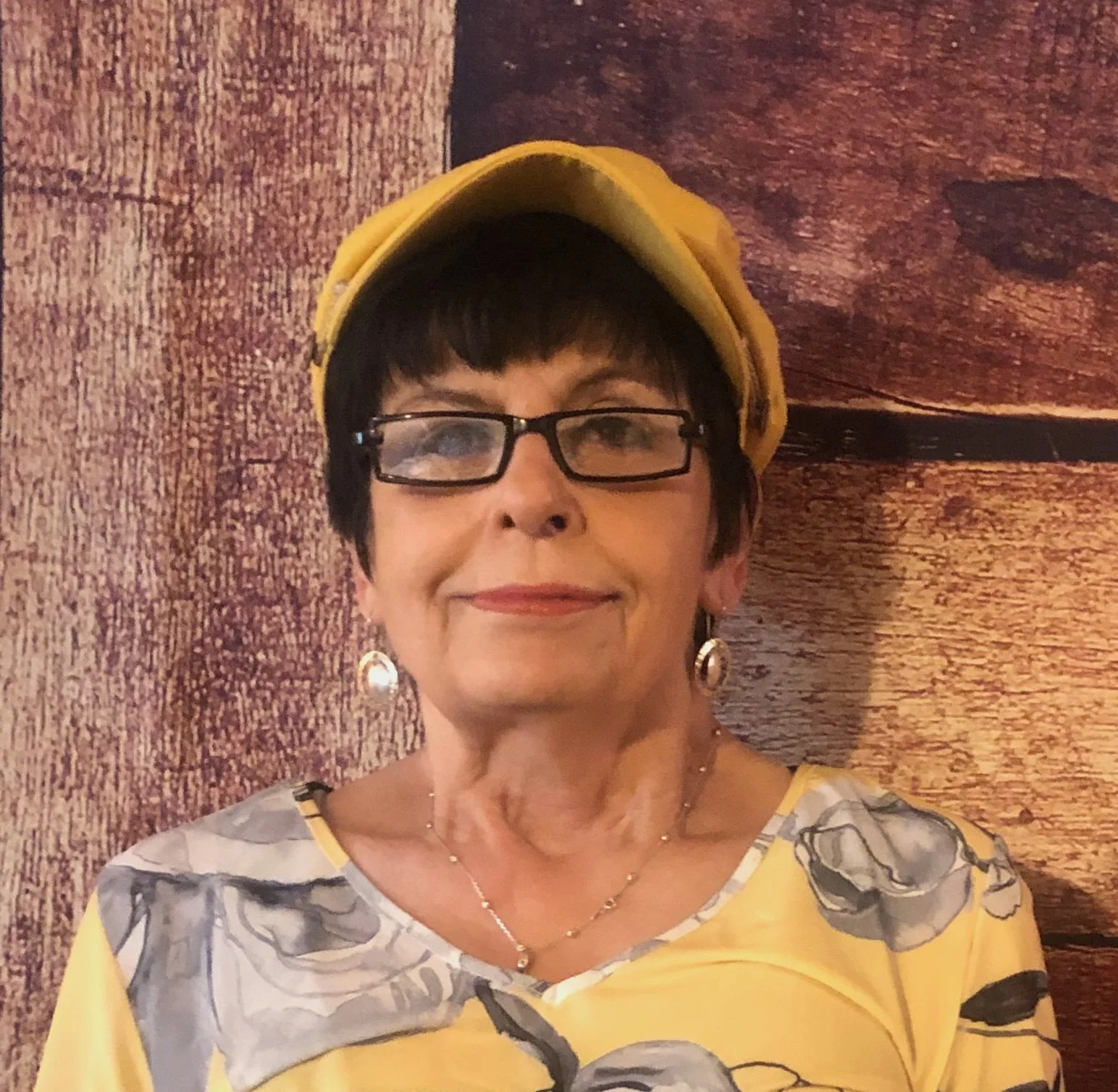
Kalina Kutriansky serves as Founder and Sole Curator of the Academy. An attorney by profession, she brings an analytical and research-driven approach to the Academy’s work. Her experience within the representational art field also includes many years of artist career administration and professional communications, encompassing juried exhibition submissions, professional membership applications, artist biographies and statements, exhibition materials, press releases and other communications, and comprehensive website development, content, and editorial direction.
Her curatorial practice is shaped by this sustained engagement with representational art and by a disciplined approach to analysis, structure, and evaluative clarity. Through AWRA, she seeks to foster exhibitions distinguished by thoughtful selection, intellectual cohesion, and a serious commitment to mastery in women’s representational art.
Dimitrina Kutriansky is Co-Founder of the Academy and a professional representational artist whose work has received recognition through organizations including the Art Renewal Center (ARC), the International Guild of Realism (IGOR), and The Salon Art Prize. Her artistic practice and long-standing engagement with representational traditions played a foundational role in the development of the Academy’s vision.
The Academy was established as a discerning, thoughtfully structured, and lasting framework and platform for women working within representational art—one capable of supporting ambitious exhibitions, serious critical engagement, and a broader cultural conversation surrounding representational practice within the contemporary period.
Curatorial Philosophy
The Academy’s curatorial philosophy is grounded in a commitment to discernment, rigor, clarity, and intentionality. Selections are made with careful consideration not only of individual works, but also of the exhibition as a cohesive whole — emphasizing thoughtful dialogue between works, media, and representational approaches.
While styles, subject matter, and methods may vary, priority is given to work that demonstrates mastery, understood as the achieved integration of:
• command of medium and technique
• discriminating artistic judgment
• effective purpose and clarity of vision
• formal and conceptual coherence
• perceptual and expressive depth
• intellectual and emotional resonance
The Academy does not seek to define a singular aesthetic or prescribe a uniform mode of representation. Instead, the organization recognizes that contemporary representational practice emerges through multiple historical lineages—distinct yet interconnected traditions of technical, intellectual, and expressive development that remain vital through both sustained stewardship and continued exploration—and through overlapping relationships of fidelity, recovery, extension, transformation, and synthesis. Within this framework, the organization remains dedicated to presenting work distinguished by artistic discipline, thoughtful execution, and a sustained commitment to mastery within contemporary representational art.
Central to the organization’s philosophy is the belief that curatorial practice carries both aesthetic and intellectual responsibility. Exhibitions are conceived not as broad surveys assembled for the sake of inclusivity alone, nor as inventories of styles, subjects, or media, but as carefully shaped environments in which individually distinguished works strengthen, challenge, and illuminate one another through their placement in conversation.
The goal is not homogeneity, but curatorial coherence: to bring together distinct artistic voices whose works, despite their differences in medium, subject, or sensibility, contribute to a coherent and thoughtfully constructed exhibition experience.